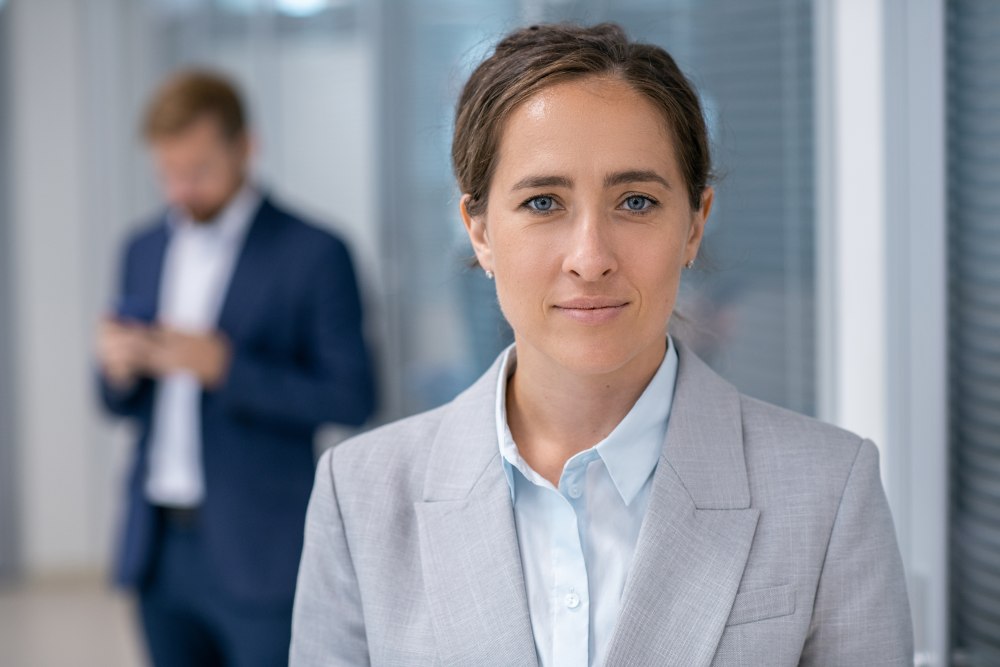
Business photography, or HOW TO MAKE A GOOD PORTRET?

Good business photography starts with a meeting with the client
Meeting with the client is a key element in creating a good business portrait. It allows the client's expectations and needs to be understood and the appropriate style and look of photography to be established. Any details of the shoot, such as location, props or styling, can also be discussed at this stage. It is also important to establish an atmosphere of trust and comfort so that the client feels at ease in front of the lens. Only then can the photo shoot itself begin, which should be professional and well thought out. The session is followed by the editing stage, where the photos are retouched and adjusted to the client's individual preferences. The final result should be a business portrait that effectively represents the client and draws the attention of potential business partners.
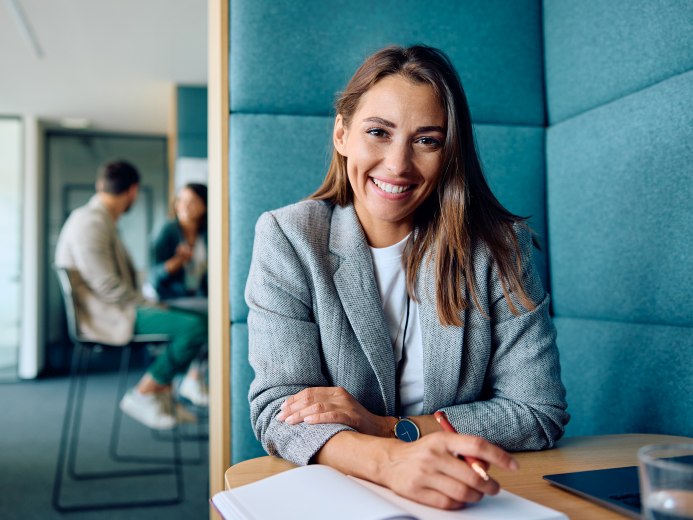
Business photography - studio, corporate or outdoor?
The choice of location for a photo shoot depends on the client's preference and the objective to be achieved through a business portrait. Photographs taken in a studio give greater control over lighting and backgrounds for a professional and neat effect. On the other hand, photographs taken at the client's business can capture the authentic environment and working atmosphere. Outdoor sessions, on the other hand, are ideal for more relaxed and friendly business portraits. The final choice of location should be tailored to the client's expectations and the strategy they wish to adopt image-wise.
What equipment to choose for business portraits?
When it comes to business photography, it is important to choose the right equipment to achieve high image quality and professional results. Ideal The choice will be a DSLR or mirrorless camera, which will allow precise settings and adaptation to lighting conditions. It is also a good idea to have a variety of lenses, such as a wide-angle lens for group shots and a portrait lens for detailed face shots. In addition, you need to remember a tripod to keep your images stable and sharp. Flash sync cables and studio lights can also be useful to control the lighting. It is important that your equipment is in working order and spare batteries and memory cards are charged and ready to use.
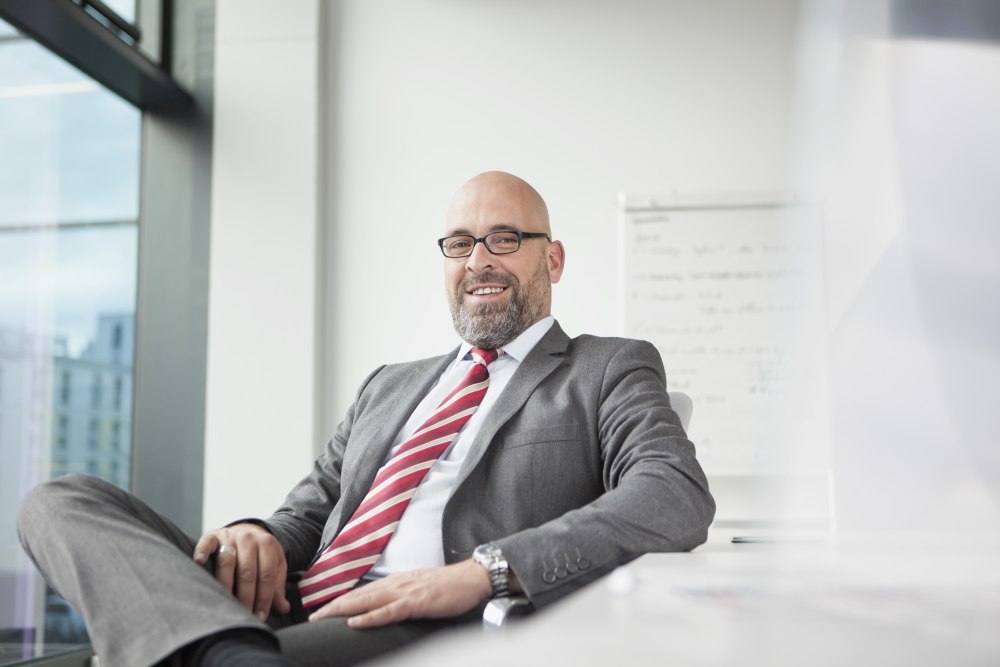
If you will be taking business portraits on location, you will need studio equipment
What to do with your hands during a business session?
It is important to know how to position and hold hands properly during a business session. Here are some tips:
Avoid holding your arms too stiffly along your body - try gently Bend your elbows and place your hands on the sides of your torso.You can try crossing your arms on your chest, but remember to keep it natural and casual.
If you have any items in your hands, such as a notebook or pen, use them in a subtle and unobtrusive way.
You can also opt for hand gestures that emphasise your credibility and confidence, such as a thumbs-up or gentle pointing.The most important thing is to be aware of your body and experiment with different poses to find the ones that best suit your persona and style. Remember that naturalness and confidence are key to creating successful business portraits.
Make-up, hairstyle, nails - how do I prepare for a shoot?
Choose delicate make-up that enhances your natural beauty and matches the style of the shoot. It's also a good idea to make sure your skin is well conditioned and moisturised before your photo shoot. When it comes to hairstyle, choose a simple, neat style that is easy to maintain throughout the session. If you have your nails painted, make sure they are evenly trimmed and neatly groomed to look neat in the photos. Remember to prepare in advance so you have enough time for each element of your make-up, hairstyle and nails.
A PHOTO SHOWING YOUR PROFESSIONALISM
It is important to choose appropriate clothing that reflects your professionalism and is in keeping with the industry in which you work. Choose generally solid colours or subtle patterns, avoiding overly bright or bold motifs. Make sure your clothes are clean, ironed and fitted to your body shape. Carefully attend to details, such as correct fastening buttonsneat cuffs and a well-fitting collar. Remember that your clothing should be one that makes you feel confident and comfortable, so that your professionalism is also reflected in your outward appearance.