
1. Image film - introduction
Production of image films to skomplikowany proces wymagający starannego planowania i uwzględnienia wielu aspektów technicznych, estetycznych i logistycznych. Film wizerunkowy jest jednym z najskuteczniejszych narzędzi komunikacji marketingowej, które może pomóc firmie wyróżnić się na tle konkurencji. W artykule omówimy, jak krok po kroku przygotować się do produkcji filmu wizerunkowego, który można z powodzeniem wykorzystać na targach branżowych oraz podczas spotkań biznesowych.
2 Why is an image film important?
Image film is a powerful marketing toolwhich allows a company to present its values, mission, offer and way of working in an attractive, accessible way. A well-crafted image film can build a positive corporate image, strengthen customer trust and increase brand recognition.
3. definition of the objectives of the image film
Zanim rozpoczniemy produkcję, kluczowe jest dokładne zdefiniowanie celów, jakie ma spełniać film wizerunkowy. Musi on być dostosowany do specyficznych potrzeb firmy i efektywnie przekazywać wybrane komunikaty.
3.1 Defining the target group
Before production begins, it is important to determine exactly who the target audience for the film will be. In the case of trade fairs and business meetings, the target group can be potential business partners, customers, as well as investors.
3.2 Clearly defining the message
The film's message must be clear and consistent. Is the video intended to showcase the company's innovation? Or should it focus on its experience and credibility? It is crucial that each element of the video supports the main idea and communication objective.
4 Budgeting and scheduling
Producing an image film involves costs, which can vary depending on a number of factors. It is important to plan your budget and schedule accordingly.
4.1 Production costs
The cost of producing an image film can include elements such as hiring a film crew, equipment costs, actors' fees, set design, post-production and more. It is important to budget for all these aspects to avoid unexpected expenses.
4.2 Setting deadlines
The film needs to be ready in time for a trade show or business meeting, so it is crucial to establish a production schedule that takes into account all stages of the work, from script to shooting to post-production.
5. choice of film format and style
The next step is to choose the right format and style that best reflects the company's character and messages.
5.1 Documentary vs. advertising film
The choice of film form depends on the objectives. A documentary film may better convey the history and philosophy of the company, while a commercial film will focus more on promoting specific products or services.
5.2 Animations, infographics and other visual elements
The branding video can also use a variety of visual elements, such as animations or infographics, to make more complex information or processes easier to understand.
6 Writing the script
The script is the foundation of any image film. It needs to be well thought out so that the message is consistent and the film is engaging.
6.1 Creating a storyboard
Before filming begins, it is a good idea to create a storyboard, or a graphic plan of the film. This makes it easier to visualise individual scenes and gives you a better understanding of how the film will look.
6.2 Including a call to action (CTA)
Every branding video should contain a clear call to action. This could be an incentive to contact the company, visit the website, or take some other action.
7. site selection and logistical planning
Once the script is ready, it is necessary to decide where the filming will take place. The location needs to match the message of the film, while also being accessible and technically prepared for shooting.
8 Casting and selection of presenters
An image film can include appearances by people associated with the company, such as employees or management, or external actors.
8.1 Selection of insiders vs. hiring professional actors
The choice of presenters depends on the nature of the film. Authentic speeches from employees can add credibility to the film, while professional actors can better highlight key messages.
9 Technical implementation
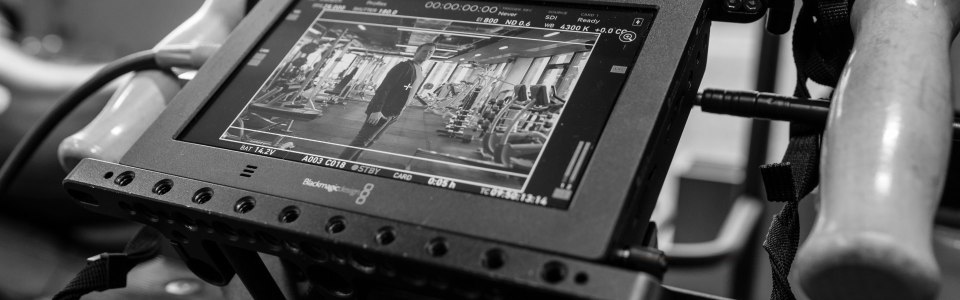
Professional technical execution is crucial to the quality of an image film. Equipment, lighting and sound are chosen at this stage.
9.1 Selection of film equipment
Image quality is one of the most important aspects of a film. Professional cameras, the right lenses and image stabilisers can make a significant difference to the end result.
9.2 Lighting and sound
Well-planned lighting and sound are elements that can enhance the perception of a film, giving it a more professional feel.
10. post-production
Once the footage has been completed, the key stage is post-production, which includes editing, adding special effects and other activities to put the final touches to the film.
10.1 Editing and special effects
Editing is the stage where the individual scenes are combined into a coherent whole. Adding special effects, such as animation, can enhance the film and make it more appealing.
10.2 Colour correction and sound mastering
Colour correction and sound mastering are crucial to the final quality of the production, affecting the aesthetic perception of the film.
11. distribution of the image film
An image film can be used in many ways - at trade fairs, in business meetings or on a company's website.
11.1 Use of film at trade fairs
At a trade fair, a video can capture the attention of attendees and help to make new business contacts. It is important that the video is dynamic and contains the most important information about the company in a concise way.
11.2 Optimisation for business meetings
During meetings, an image film can serve as a presentation element that effectively presents the company's offer. It is worth ensuring that it is tailored to the specifics of B2B meetings.